Mask removal and replacement underwater is one of the most overlooked yet critical competencies in a diver’s toolkit. While many recreational divers only encounter this skill briefly during their open water training, the truth is far more nuanced: unexpected mask loss is not an emergency - but it can become one if the diver isn’t prepared. This article builds upon our demonstration video to offer a deeper dive into the physiological, psychological, and practical aspects of becoming truly comfortable without a mask underwater.
Let’s begin by understanding the purpose of a diving mask beyond simply helping us "see clearly." Human eyes cannot focus underwater due to the way light refracts - bending differently in water than in air. Masks create an essential air pocket in front of the eyes, restoring normal vision underwater.
However, the moment that airspace is removed - such as when a mask is lost or dislodged - panic can set in if the diver hasn’t conditioned themselves to remain calm. Visibility, comfort, and breathing confidence are all suddenly compromised. That’s why the goal isn’t simply to know how to remove and replace your mask - it’s to train until doing so is second nature.
The primary obstacle most divers face isn’t technical - it’s physiological. The mammalian dive reflex is a hard-wired biological response. When cold water contacts the face, especially around the nose and eyes, it triggers a cascade of autonomic nervous system reactions: the airway instinctively closes, heart rate slows, and the body attempts to conserve oxygen.
For untrained or novice divers, this response can be misinterpreted as suffocation or drowning, resulting in panic. Often, the diver holds their breath, ascends too quickly, or fumbles for the surface - actions that can result in serious barotrauma or decompression injuries.
Mitigation through repetition and exposure is the only way to overcome this.
Before even touching your mask, focus on your breathing. Calm, controlled inhalations and exhalations are your foundation. Only once your breath is regular and relaxed should you proceed.
Begin gradually. Gently pinch the top seal and allow water to trickle in until the mask is fully flooded. This intermediate step builds tolerance to the sensation of water around your nose and eyes.
With the mask full, gently remove it. Hold onto it firmly and maintain your breathing. This moment is where panic can strike. The key here is familiarity - if you’ve done this enough times in training, your body will not go into a reactive state.
Every diver - especially technical and sidemount divers - should carry a backup mask in a secure pocket, attached via bolt snap. Identify the nose pocket to orient it correctly and strap it on. Be mindful of twists in the strap and its positioning on the crown of your head. A poorly adjusted mask can lead to leaking or discomfort.
Exhale through your nose while holding the top of the frame to purge water. If the mask doesn't clear the first time, pause, reestablish your breathing rhythm, and try again. Be patient and never rush.
Note: Each exhalation displaces air - if you’re neutrally weighted, too many clears can impact buoyancy. Compensate accordingly.
The aim is not to perform a mask drill - it’s to become unbothered by water on your face. This shift in mentality transforms a potential emergency into a manageable inconvenience.
We recommend repeating the full mask removal and replacement sequence every other dive. This maintains both muscle memory and emotional confidence.
Use a snorkel to breathe on the surface without a mask. This removes the pressure of being submerged and allows you to get comfortable with the sensations.
Begin each dive with a partial flood and clear. This becomes routine, builds confidence, and even serves a dual purpose - it defogs your mask naturally.
Once partial flooding is comfortable, fill your mask completely, breathe a few cycles, and clear it. Repeat until you're truly unbothered by the water.
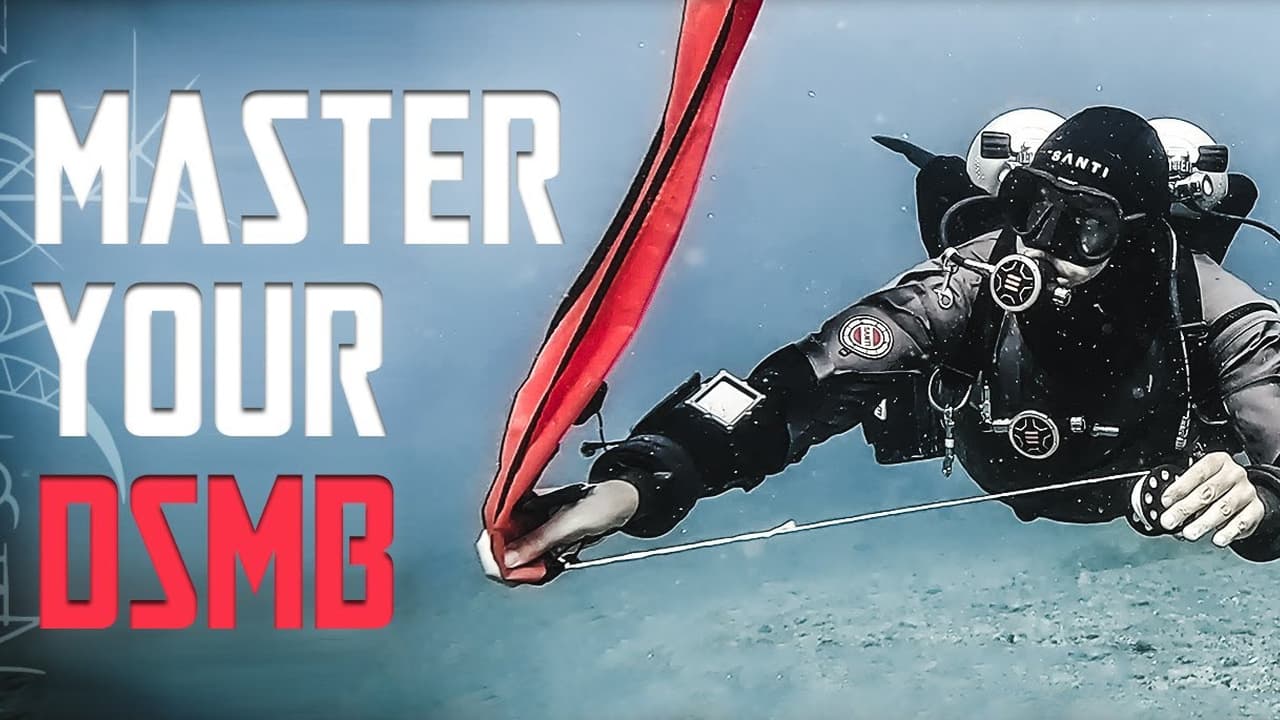
When confident, begin doing the drills neutrally buoyant and midwater. Try with one hand only - real-world scenarios like ascending while holding a DSMB may require this level of control.
Fogging, Maintenance, and Mask Preparation
Out of the box, your new mask is not dive-ready. Most come coated with a thin silicone residue on the lenses, which causes relentless fogging. Here’s how to deal with it:
- Preferred Method: Carefully burn off the film using a lighter. This must only be done on tempered glass and requires attention to avoid damaging the skirt or frame.
- Alternative: Use purpose-made abrasive or chemical cleaning solutions to scrub off the residue.
Before every dive:
- Apply defogging agent (or saliva as a backup).
- Rinse thoroughly with water before putting on the mask.
- Cool your face before donning your mask - this reduces fogging by equalizing skin temperature with the water.
Inspect your mask for:
- Strap tears
- Frame cracks
- Skirt integrity
And most importantly: Never dive without a backup mask. Especially in overhead environments, caves, or long-duration dives, a single lost or damaged mask could turn into a critical failure.
Removing and replacing your mask underwater is a foundational skill - one that could determine whether a minor inconvenience escalates into a life-threatening situation. But beyond that, it is a powerful exercise in discipline, confidence, and trust in your own abilities.
At FlowState Divers, we don’t view this as a “checklist” item. It’s a reminder that diving isn’t just about depth and time - it’s about control, awareness, and comfort in the unexpected.
So, don’t just practice it - master it.