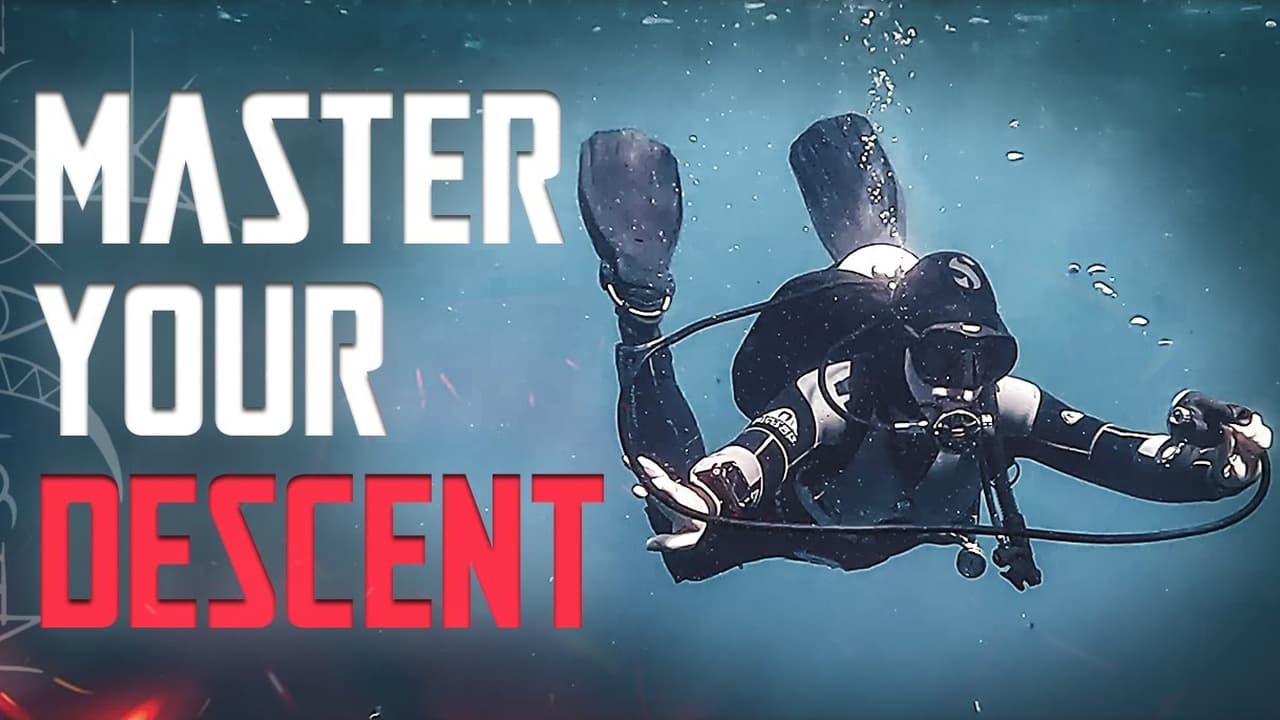
In the world of scuba diving, few emergencies are as sudden, critical, and emotionally intense as an out-of-gas (OOG) situation. The experience of suddenly being deprived of the very thing keeping you alive underwater - breathable gas - can induce immediate panic. For the diver who must respond, the situation is just as urgent: resolve it swiftly, precisely, and without allowing emotion to escalate the problem further.
This segment explores one of the most efficient and tested methods for dealing with such a situation: the long hose gas-sharing protocol, often referred to as the “primary donate” method. We aim to unpack the reasoning, execution, and vital nuances of this approach, and why - regardless of whether you dive recreationally or technically - it deserves a central place in your skillset.
Many divers mistakenly associate the long hose setup with technical or cave diving alone. However, no diving agency restricts its use to advanced environments. In fact, as you progress in your diving, especially into more complex or overhead environments, the long hose becomes a necessity. So, why not start with it?
At its core, this configuration flips the conventional wisdom: instead of donating an alternate air source (the secondary or “octopus”), the diver donates the very regulator they are breathing from. This might seem counterintuitive at first, but it’s incredibly logical when examined closely. You're donating a regulator that you know is working, one that you've verified with every breath you’ve taken since descending.
The key enabler of this system is the long hose - typically 150 to 210 centimetres in length - offering generous space for gas sharing without crowding. Not only does this provide much-needed distance during high-stress moments, but it allows two divers to manoeuvre more freely in the water, whether in open ocean, confined spaces, or during ascents.
Gas-sharing situations can be broken down into two phases: a critical emergency and a controlled exit. The first is where lives are most at risk. The second is about returning to the surface or exit point with control and care.
In the initial moments of an OOG event, assume the worst: that the diver is panicking and may act unpredictably. Panic underwater is not rational - it’s primal. Even a small, seemingly calm diver can become a serious threat when gripped by the fear of suffocation. A lunging hand or an uncontrolled attempt to grab your gear can compromise both divers.
This is why it’s essential to donate your long hose before the diver reaches you, while there's still some space between you. Extend the regulator with your right hand, gripping it firmly at the base of the second stage, ensuring the mouthpiece points slightly downwards to prevent a free flow. Keep the purge button unobstructed - accidental purging can cause delay, disorientation, or worse, lead to the diver rejecting the air source.
Crucially, never release the regulator until you've made solid eye contact with the diver and seen them secure it in their mouth. Letting go too early can result in the second stage drifting out of reach, forcing the victim into a further state of panic and possibly turning a resolvable emergency into a fatal situation.
Your left hand now becomes your shield. Use it to maintain distance, stabilise the victim if needed, or push them back if they charge. It's also your hand for fending off grasping arms or tangled hoses. All of this must happen while you work to re-establish your own breathing by reaching for your backup regulator, usually tucked under your chin or clipped to your chest.
Once the OOG diver has a working regulator in their mouth and shows signs of calming down - stable eye contact, measured breathing, less frantic movement - the emergency shifts into what can be described as a logistical inconvenience. The threat level drops, but the job isn't over.
Now comes the task of navigating the ascent or swim to an exit point together. You must assess whether to surface immediately or move to a predetermined reference like an anchor line or shot line. Either choice requires a steady hand, clear leadership, and constant monitoring.
Maintain physical contact with the long hose at all times. While it might be tempting to release it, thinking the situation is stable, you must anticipate regression into stress or panic. If the regulator becomes dislodged and you're not prepared, you lose precious seconds recovering it, during which the situation can spiral.
Once you’ve initiated the controlled exit, you'll need to choose how to position the OOG diver. You have two primary configurations:
- Victim on the left side: The hose travels naturally under your right arm. This setup provides clean routing and ensures the hose remains tensioned in a controlled loop.
- Victim on the right side: In this case, the hose must be routed behind the victim's head, mimicking how a long hose is worn in standard configuration, to avoid sharp kinks or dislodgement.
In either case, it’s the victim’s responsibility to hold the hose in place to prevent the second stage from being pulled out of their mouth. The donor’s job is to lead the movement - either by gently gripping the victim’s arm and positioning it slightly forward to guide the direction of travel, or by signalling clearly and consistently.
All the while, continue exchanging hand signals to confirm understanding and check gas pressure. Communicating your remaining gas isn’t just practical - it’s psychological. It reassures the victim that there is enough air and that the crisis is being handled competently.
Even in an OOG scenario, good divers don’t abandon protocols. Signal your intention to ascend, deploy your DSMB (Delayed Surface Marker Buoy) as planned, and observe any required safety or decompression stops. Treat the situation with the same diligence as any normal ascent - because panic thrives in chaos, and order is your best ally.
Face each other throughout the ascent. This allows constant communication and the opportunity to immediately address issues, such as a slipping regulator or deteriorating mental state. The long hose should be routed smartly - under the right arm and over the wrist of the donor - so that if the regulator is released or dropped, it remains accessible rather than vanishing beneath the team.
Expect some delay or confusion from the OOG diver. Repeat signals. Be slow, calm, deliberate. Over-communicate if needed.
While incredibly rare, a situation may arise where only one working regulator remains. Perhaps the victim’s regulator failed completely, and yours is the sole source of air. In such cases, you must resort to buddy breathing - sharing a single second stage between two divers.
This technique is rarely taught anymore, precisely because long hose donation systems reduce its likelihood. Yet it remains a valuable skill, fostering deep trust and coordination between dive partners.
The donor sets the rhythm - usually indicated visually by counting. Divers should take two breaths each before passing the regulator. Timing, body position, and composure are essential. Practice this at a controlled depth before attempting ascents while buddy breathing.
Remember: the key is rhythm, not precision timing. Stay calm, stay close, and never hold your breath during the switch.
It bears repeating: running out of gas is almost always a result of human error - poor planning, inattentiveness, broken communication, or equipment neglect. It is 99% preventable.
- Plan your gas consumption with a reserve buffer.
- Monitor it frequently and share updates with your buddy.
- Practice drills regularly so your reaction becomes instinctive.
- Use the right equipment for your environment - and use it properly.
Handling an OOG scenario isn't about heroics. It's about composure, clarity, and confidence. It’s about ensuring your teammate survives the dive and returns to the surface safely. The long hose configuration isn’t a gimmick - it’s a proven tool that, when used correctly, creates space, reduces chaos, and saves lives.
If you’ve never practiced this skill from start to finish - including full donation, swimming exits, and ascents - make it your next priority. Train with your regular dive team. Test the setup in calm waters before relying on it in chaos. Build trust, not only in your gear but in your ability to perform under pressure.
Because when the gas runs out, the training kicks in - and that training could be the difference between tragedy and triumph.