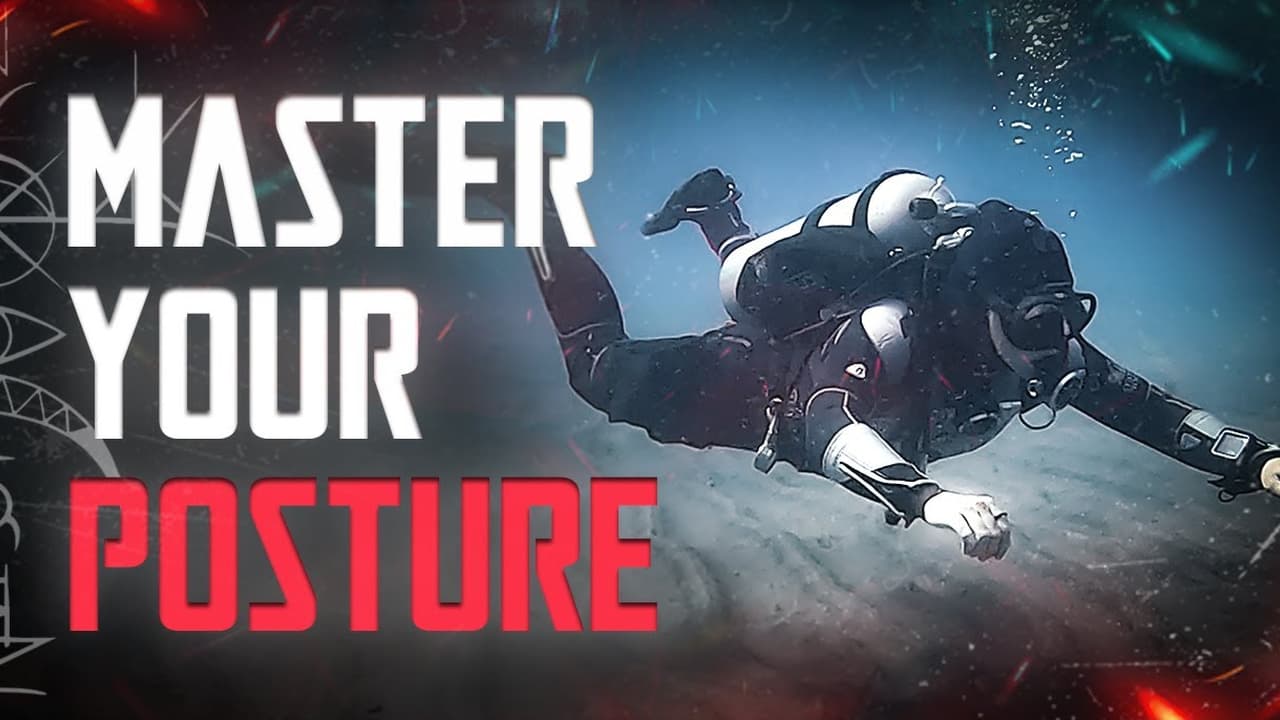
Sidemount diving is often revered as the pinnacle of streamlining and control within the recreational and technical diving realms. But its true mastery lies not in the gear itself, nor in flashy underwater manoeuvres, but in the quiet precision of the basics - the invisible skills performed instinctively, without conscious thought. Among these, gas management and regulator handling stand as cornerstones of the sidemount discipline. This article expands on the instructional script provided, transforming it into a thorough exploration of the concepts that define a competent, balanced, and capable sidemount diver.
Gas management is a fundamental skill in any configuration, but in sidemount diving it takes on a new dimension. Divers aren’t merely tracking consumption - they are actively balancing two independent cylinders. Unlike back-mounted systems, sidemount divers breathe alternately from each tank, maintaining an equilibrium with a pressure differential no greater than 30 bar. This seemingly small habit has far-reaching consequences.
By keeping both cylinders within this differential, divers maintain physical balance and avoid significant roll or trim issues. More importantly, they ensure equal access to gas in emergencies. If a diver - or their teammate - experiences a failure, access to a full long hose is only as good as the pressure inside it. Imbalanced cylinders could mean one regulator is nearing depletion while the other has plenty. In an emergency, that disparity can become a critical failure point.
Thus, checking SPGs isn’t just about knowing how much gas you have. It’s about maintaining operational integrity.
There’s a temptation early in one’s sidemount journey to default to the two-handed SPG check. It feels more secure, especially when working in thick gloves or unfamiliar gear. However, the best practice lies in mastering the one-handed check - a technique that underscores true control and preparedness.
Why? Because real-world diving doesn’t pause for convenience. A diver may need to check pressure while launching a DSMB, managing buoyancy, or holding onto a teammate. The ability to perform this routine task single-handedly ensures the diver always retains operational capacity.
For a one-handed check, use the arm that matches the cylinder being read - right hand for right tank, left hand for left tank. Feel for the SPG, bring it into view, and read it - all while keeping the other hand free and the rest of your body composed. With practice, this becomes fluid, elegant, and fast.
In contrast, the two-handed method requires the diver to pull the cylinder outward with the opposite hand and manipulate the SPG with the same-side hand. It’s still a valid method, especially for those with limited shoulder mobility, but it ties up both hands - reducing the diver’s ability to respond to sudden changes or communicate.
What separates good divers from exceptional ones is often subtle. One of those distinctions is the ability to do nearly everything underwater with a single hand. This isn’t just a sidemount principle - it’s a diving philosophy.
In sidemount, one-handed execution becomes essential when tasks overlap: deploying a DSMB while maintaining trim, donating gas while holding onto an unconscious diver, managing a leash or reel in a cave. These are scenarios where the luxury of two free hands simply doesn’t exist.
The practice of always leaving one hand free is a mindset. It demands that we streamline our skills, simplify our movements, and reduce unnecessary complexity. It means that even your regulator switch should never involve both hands.
In sidemount, knowing which regulator you’re breathing from isn’t optional - it’s vital. Unlike back-mounted setups, where the primary regulator is almost always the long hose, sidemount divers switch regulators to balance gas, meaning the one in your mouth changes frequently.
Here’s where the technique becomes both simple and elegant. Raise your right hand, palm open, towards the second stage. If your fingertips find a 90-degree elbow connection, you’re on the short hose. If they slide smoothly along a straight hose, you’re on the long hose.
This isn’t just a trick - it’s a drill. It ensures you can perform gas sharing with confidence, that you never donate the wrong hose, and that you understand your configuration even when visibility is poor. From this tactile cue, you can execute a flawless regulator switch using only one hand: unclip the long hose, swap out the short hose regulator, and restore breathing - all while holding position and staying aware of your buddy.
Losing your regulator - whether from a strong current, mask reposition, or unintentional knock - should never create panic. It should trigger a calm sequence of rehearsed actions.
Step one: secure breathing by immediately inserting your backup (short hose) regulator. This must be second nature, performed without delay or fumbling. Step two: retrieve your primary (long hose) using one of two established techniques.
- The Sweep: A broad, circular motion with the right arm while leaning slightly forward. Your left hand trails your right arm to find the hose and guide the second stage to your mouth.
- The Reach: A more compact method suited for overhead or tight spaces. Simply reach behind your neck with the right hand, feel for the hose, and bring it forward.
Both are reliable and effective, and divers should master both. The real art, however, is performing these manoeuvres while maintaining buoyancy, situational awareness, and team communication - skills that distinguish a polished diver from one still in training.
Sidemount gas sharing introduces a wrinkle into traditional long hose donation protocols. Unlike twinset diving - where the long hose is always in use - sidemount divers switch regulators frequently. This complicates the instinctual reach for your mouth regulator in emergencies.
Instead, sidemount divers must prioritise regulator identification before donation. If you’re breathing from your short hose and your teammate is out of gas, you must know where your long hose is, unclip it swiftly, and deploy it with confidence.
The long hose is typically clipped to the right shoulder D-ring and secured with a breakaway bolt snap. This allows you to simply pull it free - no fiddling with clips, no wasted seconds. From there, donation proceeds as in any long hose setup: regulator to the teammate, backup in your own mouth, eyes on the situation.
In this moment, the earlier techniques converge - identifying your regulator, unclipping with one hand, staying neutral, and offering help without hesitation.
Mastery in sidemount isn’t about looking good in photos or using the latest gear - it’s about control, grace, and awareness. It’s the ability to perform small but critical actions with purpose, under pressure, and without excess motion.
The skills detailed here - SPG checks, one-handed techniques, regulator identification, retrieval, and donation - are the heartbeat of sidemount diving. They’re not advanced. They’re fundamental. But when practised and polished, they elevate a diver to a level of true self-reliance and team competence.
In the end, sidemount mastery is about trust: trust in your equipment, in your skills, and most of all, in your ability to respond with calm precision when it matters most. Keep one hand free. Keep your mind engaged. And keep practising - because in sidemount, it's the quietest skills that speak the loudest.