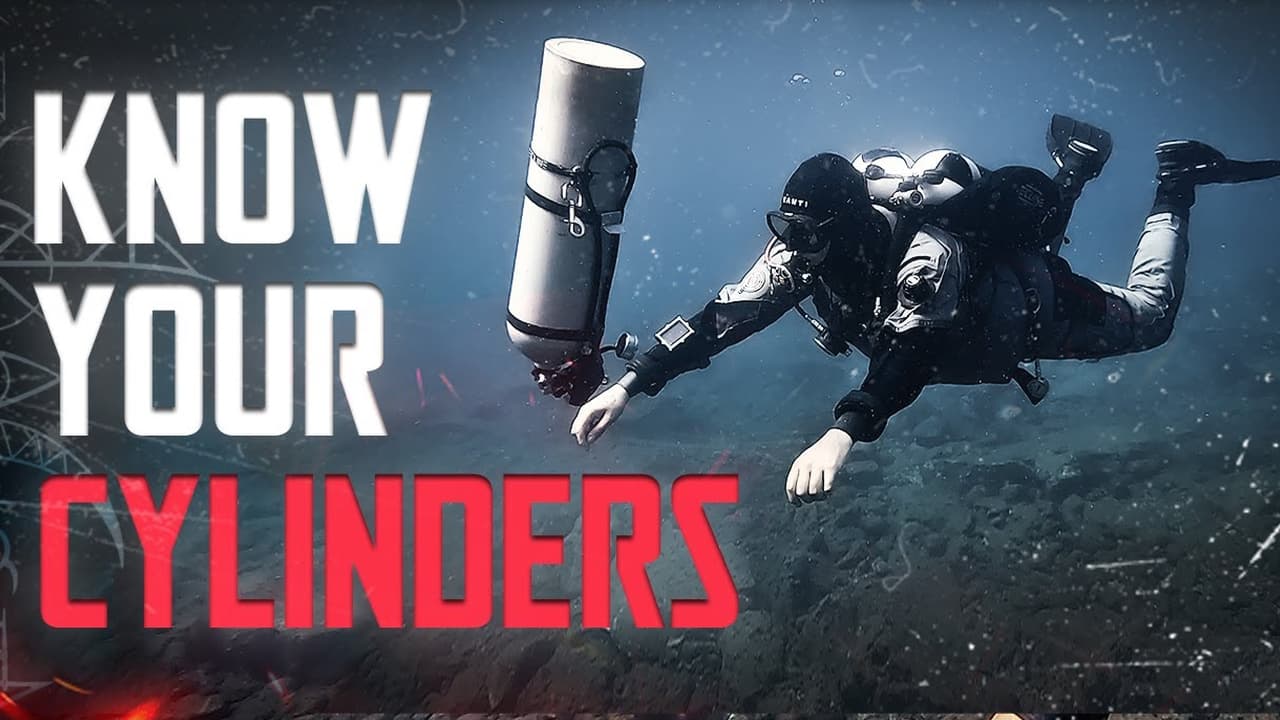
One of the simplest yet most powerful habits a diver can adopt to enhance safety is the pre-dive safety check - a step often taught early in training and just as quickly forgotten or reduced to a hollow ritual.
Many divers rely on acronyms like BWRAF (“Begin With Review And Friend”) or BAR (“BCD, Air, Releases”), ticking boxes from memory without fully understanding the why behind each step. This reduces the check to a rote exercise, disconnected from the gear and, more dangerously, from the diver’s critical thinking.
This article aims to redefine the pre-dive safety check as a systematic, interactive, and performance-critical ritual. We’ll move beyond acronyms and explore how to integrate real awareness, equipment evaluation, and team coordination into your routine - setting the tone for a safe, skillful, and confident dive.
The timing and location of the pre-dive safety check are foundational. Most divers inspect their gear on the boat or shore. While this is a useful first step, it’s not enough.
- Why? Because entering the water can shift, damage, or loosen gear - rendering prior checks obsolete.
- The Rule of Timing:
- On land/boat: Initial assembly and inspection.
- On the surface (in the water): Final functional check, where most real-time failures can be detected and addressed.
Exception: The BC (Buoyancy Compensator) should be tested before water entry, as it ensures the diver can float upon entry - critical for safety, especially in rough conditions.
Tip: Unless walking in from a shallow beach, always don your fins just before water entry, to avoid awkward balancing acts or missed timing in strong currents.
Forget mnemonics for a moment and embrace a logical inspection pattern:
Top to bottom, right to left - thorough, physical, mindful.
This not only ensures you don’t miss anything but forces you to interact with your gear and become acutely aware of its condition.
A. Head & Shoulders: The Critical Top Zone
- Mask: Is the strap adjusted correctly? Is it positioned for donning?
- Back-up light (usually right shoulder D-ring): Does it switch on? Is the beam strong and focused?
- Hood and neck seals: Are they properly tucked and not folded, especially if using a drysuit?
B. Regulators and Breathing Loop
- Primary regulator: Test it in the water, submerged at the surface. Why? Because only underwater can you detect leaks through mouthpieces or O-rings accurately.
- Backup regulator (octopus or necklace): Test the same way - take several steady breaths.
- SPG (Submersible Pressure Gauge): Read it while breathing from each reg - this simulates gas draw and confirms accurate pressure readings.
- Check for leaks: Listen and feel while breathing - hissing sounds or bubbles are red flags.
Team Practice: Use hand signals to communicate SPG readings and confirm all team members are aware of each other’s gas status.
C. Cross Over to the Inflator System (Left Side)
- BC inflator: Check both inflation and deflation by pressing each button underwater, verifying smooth operation.
- Dry suit inflator/deflator (if applicable): Equal importance - make sure they’re responsive, not sticky or jammed.
- Why this matters: These systems manage buoyancy. If they fail mid-dive, especially at depth, you can lose control of your position in the water column.
- Computer: Is it turned on? Set to the right gas mix? Is the battery sufficiently charged?
- Strap security: Will it stay on your wrist if your hand is bumped or caught?
- Compass (digital or analog): Calibrated? Easily readable?
Tip: Always double-check compass functionality if you’re navigating unfamiliar terrain or overhead environments.
E. Harness, Hose Routing, and Trim Elements
- Harness snugness: Does it hug your torso and hips without restriction?
- Long hose routing (for backmount divers): Is it neatly stowed? Not trapped under straps or clipped incorrectly?
- Weight system: Integrated weights, belt, or harness - are they secure but quickly releasable if needed?
Why it matters: Entanglements or loose gear can create massive complications mid-dive. A clean, streamlined configuration isn’t vanity - it’s safety.
One of the most overlooked components of the pre-dive routine is the S-drill (Sharing drill). This is not optional. It’s the only way to verify that the long hose deployment is functional and unobstructed.
- Deploy the long hose as if handing it to an out-of-gas diver.
- Fully extend it and verify it's not tangled or trapped.
- Confirm that the backup reg (typically worn around the neck) is correctly positioned.
- Re-stow the long hose carefully, following your streamlined routing plan.
Sequential vs Simultaneous: Teams may conduct S-drills one at a time or together. Either works - what matters is visibility and feedback.
Before descending, complete the bubble check:
- One diver remains flat at the surface.
- A teammate inspects all potential leak points:
- Tank valve
- First stages
- Second stages
- Hoses
- BC
- Drysuit (neck and wrist seals)
What to look for: Bubbles that persist or grow are red flags - locate the source and evaluate risk. Some issues (like a faulty O-ring) can be resolved on the surface. Others may require aborting the dive.
Once the team initiates the descent, we recommend a pause at 3 meters for a final team check, especially in unfamiliar buddy pairings or challenging conditions.
This moment is perfect for:
- Finishing the S-drill if it couldn’t be done on the surface.
- Verifying team trim, buoyancy, and situational awareness.
- Assessing your buddy’s overall comfort and control.
Think of this stop as the “systems go” checkpoint. Better to catch issues here than at 30 meters.
Safety doesn’t just come from inspecting your own gear - it also comes from understanding your teammate’s configuration. Every diver should:
- Verbally communicate which accessories they’re carrying (cutter, spool, SMB, backup light, etc.).
- Show where those items are stored.
- Practice awareness: Could you find and use your teammate’s alternate air source if needed?
This mutual understanding is critical in emergencies.
The pre-dive safety check is not just a task - it’s a performance rehearsal for the dive to come. It creates a mental framework of calm readiness and proactive problem-solving.
Diving is inherently complex, but complexity is manageable when broken into structured, mindful routines. A diver who truly understands their gear, communicates clearly, and checks thoroughly is a diver who owns their safety - and elevates their team’s performance.
Let this practice become more than a box to tick. Let it become a ritual of respect - for yourself, your team, and the underwater world.