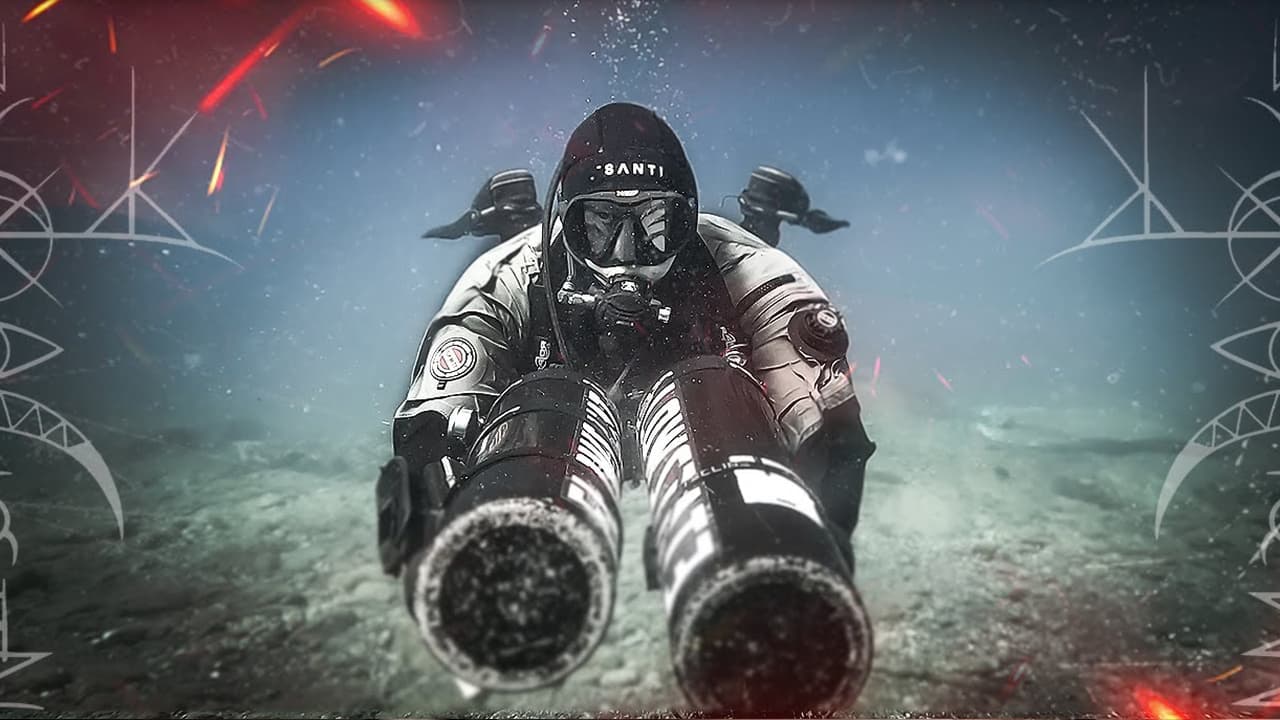
Among the many technical exercises that shape a skilled sidemount diver, few are as foundational—or as revealing—as the valve drill. This essential routine, often misunderstood as a mechanical box-ticking exercise, is in fact a powerful window into a diver’s relationship with their gear, their presence underwater, and their ability to respond calmly and effectively in high-stakes situations. Done thoughtfully, it becomes a ritual that forges instinct, trust, and underwater elegance.
At its core, the sidemount valve drill is an awareness drill. It’s about forging muscle memory, yes—but more than that, it’s about cultivating a precise and intimate knowledge of your configuration. This familiarity, this connection to your gear, is what allows a diver to stay calm and decisive in emergencies.
It is not a performance. It is not about racing through the motions in record time. As many discover (sometimes too late), being fast without understanding is a liability. Speed must emerge from thoughtful repetition and deep comprehension. The goal is to achieve instinctive control without sacrificing clarity. Each deliberate movement should echo the logic behind it.
This is especially important in situations like:
- A free-flowing second stage, where quick shutdowns save precious gas.
- A leaking or malfunctioning first stage, which requires immediate isolation.
- Situations where gas management decisions or team dynamics depend ona valve control.
The sidemount valve drill trains the body to react swiftly, but it trains the mind to understand.
Before initiating the drill, ensure environmental conditions are stable and that your team is briefed. The exercise is about refinement—not stress testing in surge or poor visibility.
Use your primary light to gain attention and indicate you are beginning the valve drill. This avoids confusion or unwarranted intervention and reinforces good communication practices.
- Identify which regulator you are breathing from.
- Purge the alternate second stage to ensure it is functioning and the valve is open.
This step is not just mechanical; it teaches you to stay aware of your gas sources at all times.
Let’s walk through the drill in its entirety, examining the rationale behind each movement.
- After signalling your intent, maintain eye contact with your teammates throughout the shutdown.
- Reach back and slowly close the valve of the cylinder you're breathing from.
- Breathe down the gas in the regulator hose. This simulates the loss of gas in an emergency and confirms your shutdown.
- Switch to the alternate regulator—ideally in a smooth, one-handed motion.
Why Eye Contact Matters: In training, it prevents reliance on visual aid when operating valves. In real life, it reinforces team connection and alertness. You should be able to locate and operate your valves by feel, not sight.
Pro Tip: Avoid twisting your body to look at your valves. Instead, develop muscle memory and identify by touch only. It’s a test of your rig discipline.
- After several seconds (simulating a controlled pause), reopen the valve gently.
- Start with a slow initial turn to pressurise the system without shocking the first stage.
- Purge the regulator to verify gas flow. If it's your long hose, unclip it for easier handling.
- Reclip as appropriate once verified.
Caution: Some first-stage regulators can dislodge the o-ring if the valve is opened too quickly. This can cause a catastrophic freeflow. Always open valves in two stages: pressurise gently, then open fully.
- Swap your primary light to the right hand, temporarily and carefully.
- Do not stow it fully or loop it onto your hand—your hand must remain free for potential gas donation, even if your right post is shut.
- Close the second cylinder’s valve in the same controlled manner.
- Switch back regulators, breathing down the hose.
- After a pause, reopen the valve slowly and verify flow.
Discipline Tip: Even though you cannot donate gas with the right post shut, always maintain the habit of readiness. The purpose of this exercise is not just skill rehearsal—it’s character development underwater.
Once both cylinders are operational again:
- Reset your regulators and hoses to their proper configuration.
- Check the pressure in both cylinders.
- Communicate clearly with your team. If there's a significant pressure difference, switch to the fuller cylinder as your primary.
This last step completes the drill with the same awareness and control it began with. You’ve now moved through the process in full—deliberate, aware, effective.
- Speeding through the drill without comprehension
- Over-reliance on vision to locate valves or D-rings
- Forcing valves open and risking o-ring damage
- Failing to communicate before or after the drill
- Disrupting your hose routing or forgetting to reclip
Every one of these mistakes is correctable—if you slow down and think through each movement. Reflection and repetition are your greatest tools.
- Practice one-handed regulator switches until smooth and fluid.
- Experiment with different SPG check methods and stick with the most consistent one.
- Refine your hose management—especially the clipping and unclipping of the long hose.
- Drill in different conditions once comfortable, to build robustness under pressure.
- Film your practice to spot inefficiencies or bad habits.
Remember, the real value of the valve drill isn’t just in the drill itself. It’s in how it reveals the quality of your configuration, your habits, and your mindset.
The sidemount valve drill is not a ritual to be performed for applause. It’s a grounding practice—a quiet conversation between you and your equipment. Done properly, it creates an underwater identity: calm, competent, composed.
It teaches you to move not with panic, but with purpose. To trust your preparation, not your speed. And to understand that in the silence of the deep, clarity and control are everything.
Whether you're a cave diver, wreck explorer, or open water sidemount enthusiast, this exercise belongs in your repertoire. And not just occasionally—but often. Like all essential skills, its magic lies in repetition.
Practice it. Refine it. Make it your own. But never rush it.